

Nichole Rouillac and the Art of Building Family-Focused Technology
How do we design technology for children without letting technology take over childhood? Children of second-gen dot-commers and tech millennials are now at the age where serious choices must be made about technology in the home: schools, screens, smartphones, smart “friends”... How much? How young? As they turn to sources like Third Oikos for new perspectives on homemaking, they are also looking for thoughtful products that embody a clear philosophy about how children should engage with technology.
A category of sophisticated, well-made family-focused products is growing to address this need. Tonies, the German maker of kid-friendly screenless audio devices, reported around €600M in revenue in 2024 and trades at over a billion dollar market cap. Yoto, its British competitor, reported revenues of $128M in 2024, and recently added former Apple and Square engineering executive Jesse Dorogusker to its board.
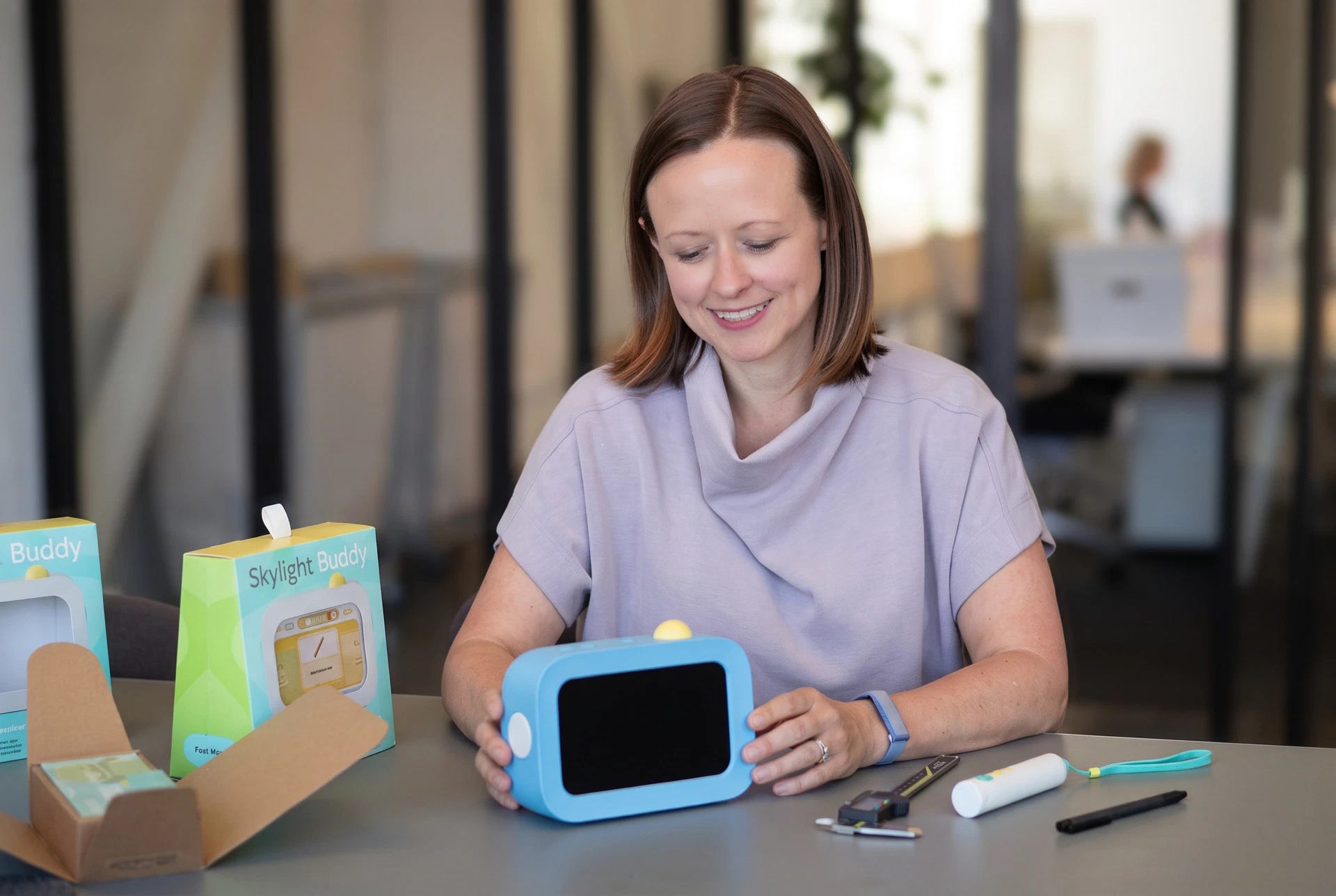
Nichole Rouillac, industrial design leader, mom of two, and Baukunst collective member, is right in the middle of this new hardware wave. Her studio, level, is the industrial design shop behind Nex Playground, the hit camera-based game console. Nex has moved more than 1 million units in just over 2 years on the market, landed on Time’s Best Inventions of 2023, and was named the Toy of the Year by Parents. Since its launch, level has become the go-to industrial design shop for technology that a family invites into the home. Recent family-focused work from level includes the sold-out Skylight Buddy, a screen-based routine companion for kids, and the inflatable, portable adventure bed Starhaven. level’s client list includes tech heavyweights like Microsoft, Google, and Logitech, but the studio is currently on a run of iconic designs for children and parents.
At its best, technology can help families stay connected and organized while supporting children’s learning and independence. Nichole, and her team at level, seem to have cracked some of the guiding principles with their own unique design approach and philosophy around children’s tech. How did level become the go-to design studio for new family products?
—
Nichole Rouillac built her early career at some of San Francisco’s most recognized industrial design studios. At NewDealDesign, she launched the first Fitbit, a pioneering product in the emerging wearable technology category. She later joined One & Co, where she played a key role in designing multiple generations of HTC smartphones and bringing some of the earliest Android devices into people’s hands. When HTC acquired One & Co to form the foundation of its industrial design organization, Nichole became part of the company’s design leadership.
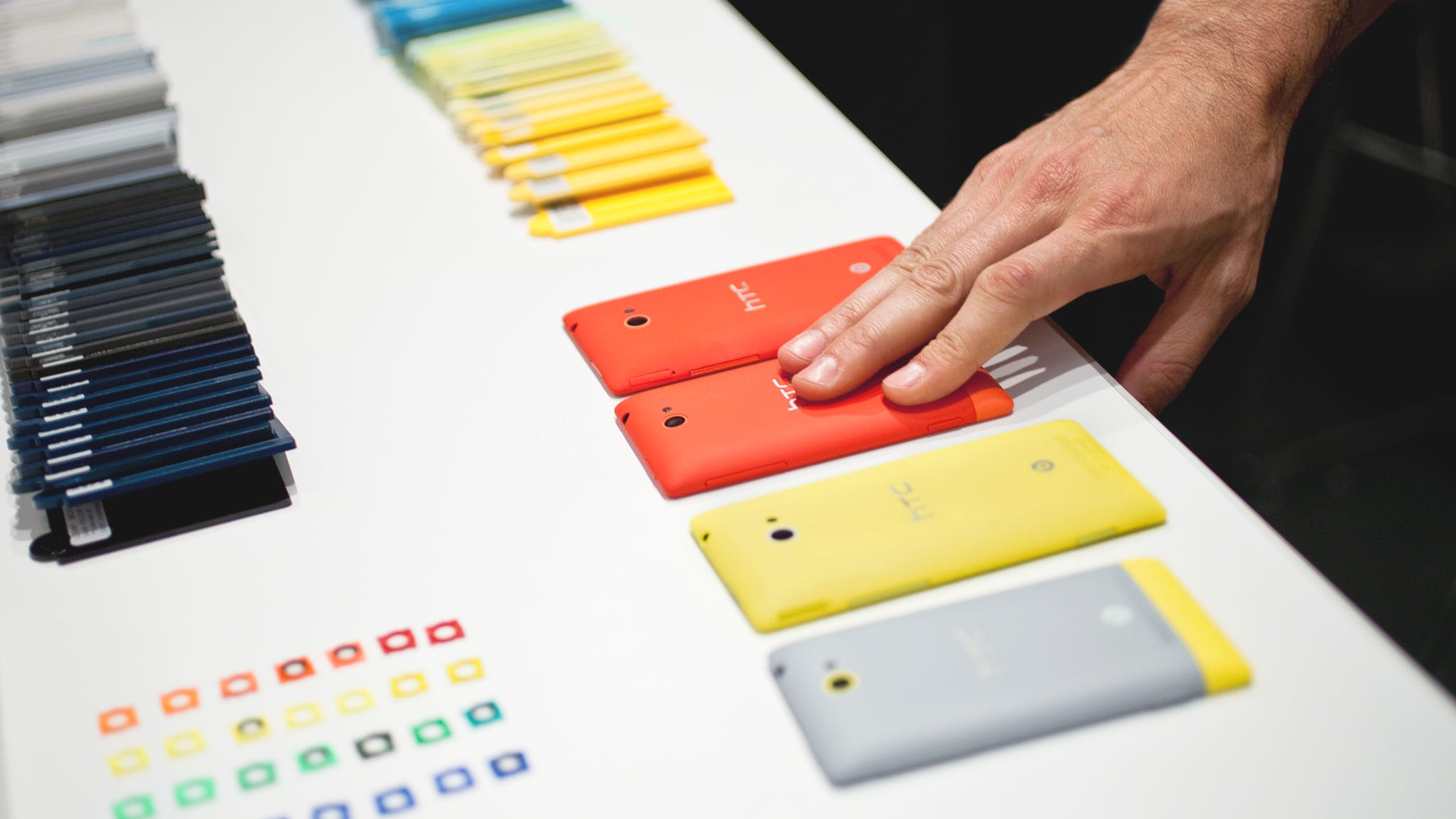
At HTC, Nichole and her team became known for bold and human-centered design choices, including vibrant plastics and expressive use of color. Their work, which included the first unibody metal smartphone, and HTC’s flagship devices for the Windows Phone 8 launch, helped establish Nichole as a leader in color, material, finish. When she left HTC in 2016 to establish level, it was, at the time of its founding, the only industrial design studio in San Francisco founded and led by a woman.
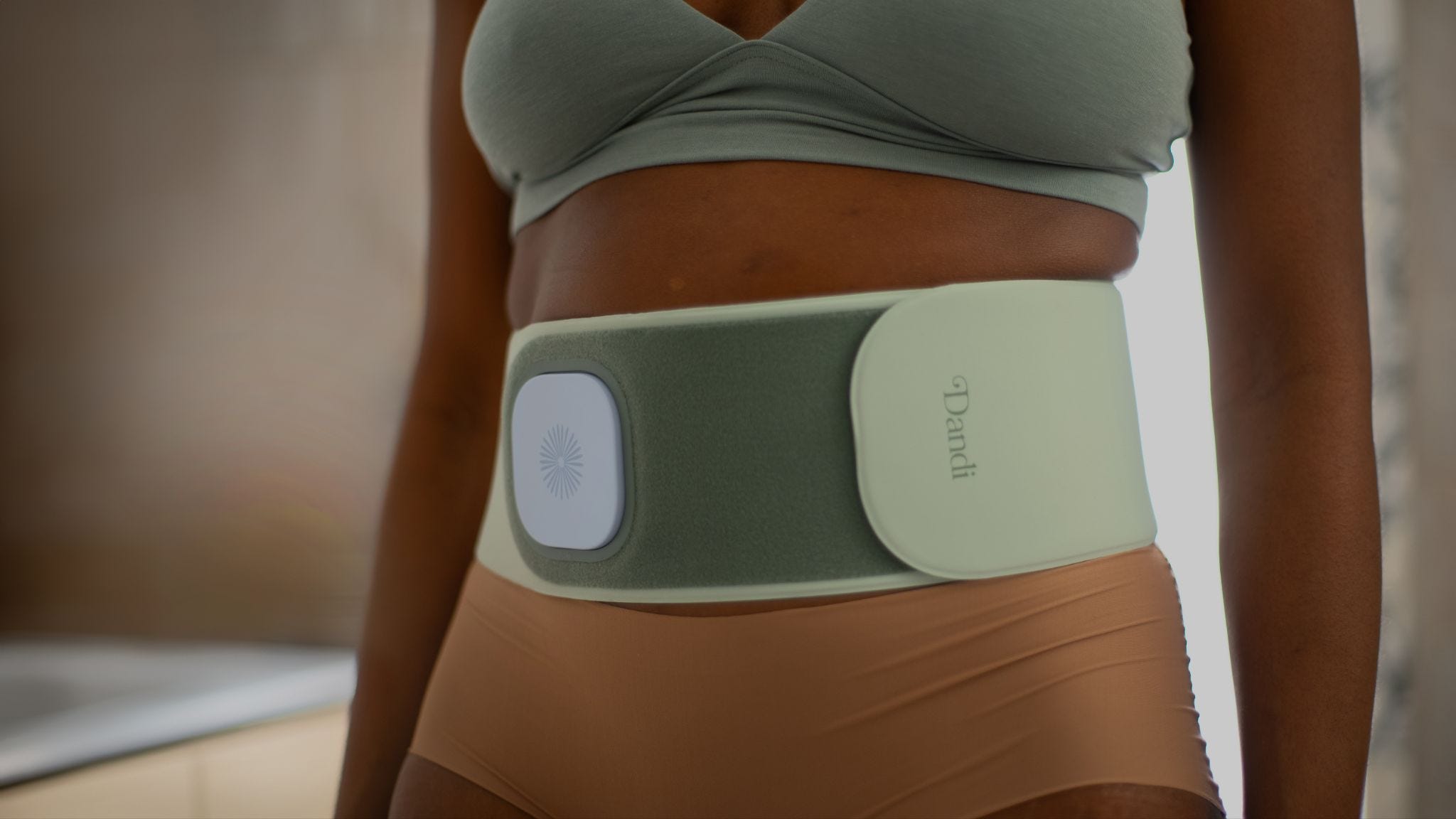
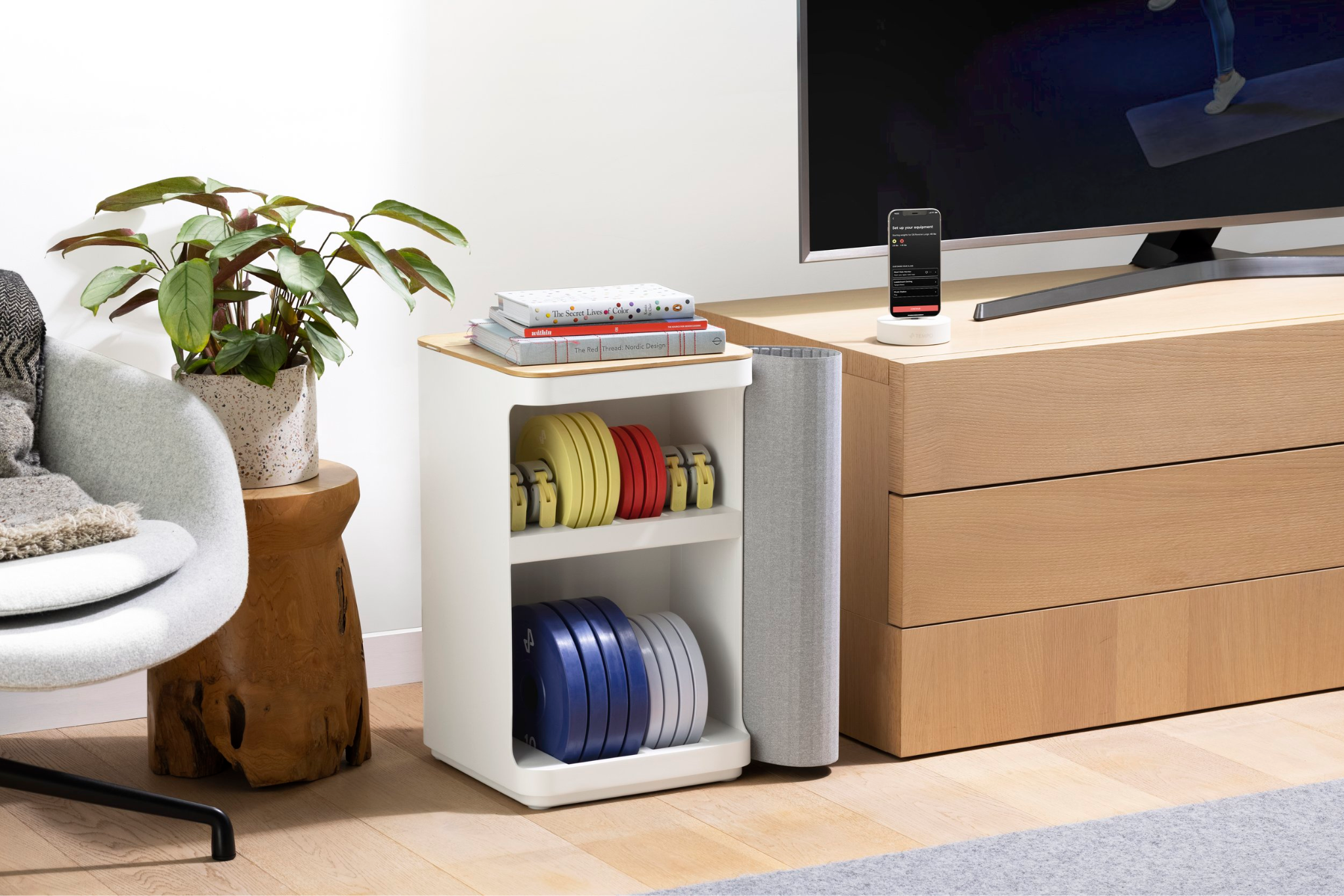
Some of level’s best-known projects demonstrate Nichole’s design approach and expertise in health and wellness. Tempo, the compact at-home fitness kit, uses rich colors and rubberized weights, while the storage cabinet’s wood and textile details make it fit in with other home furnishings. Dandi is a caringly designed, fully on-body kit that expresses a full range of therapeutics for IVF patients. These products, designed to be comfortable and easy to handle, paved the way for level’s later work for families.
When Nex went looking for a design partner for the motion-tracking game console Playground, they wanted someone who understood how to create a product families would welcome into their living rooms and feel comfortable leaving on display. Nichole understood the brief right away. The feel of an object, she says, is psychologically important. Quality, fit, and finish build trust. So many toys look and feel cheaply made, but pick up a Nex Playground and you’ll notice a level of solidity and polish comparable to a product designed by Apple, where Nex’s founding team originates. There are no gaps, part lines, or loose rattles. And where conventional gaming consoles increasingly look like tower PCs, the Nex is a recognizable icon, colorful and reminiscent of the simplest children’s blocks.
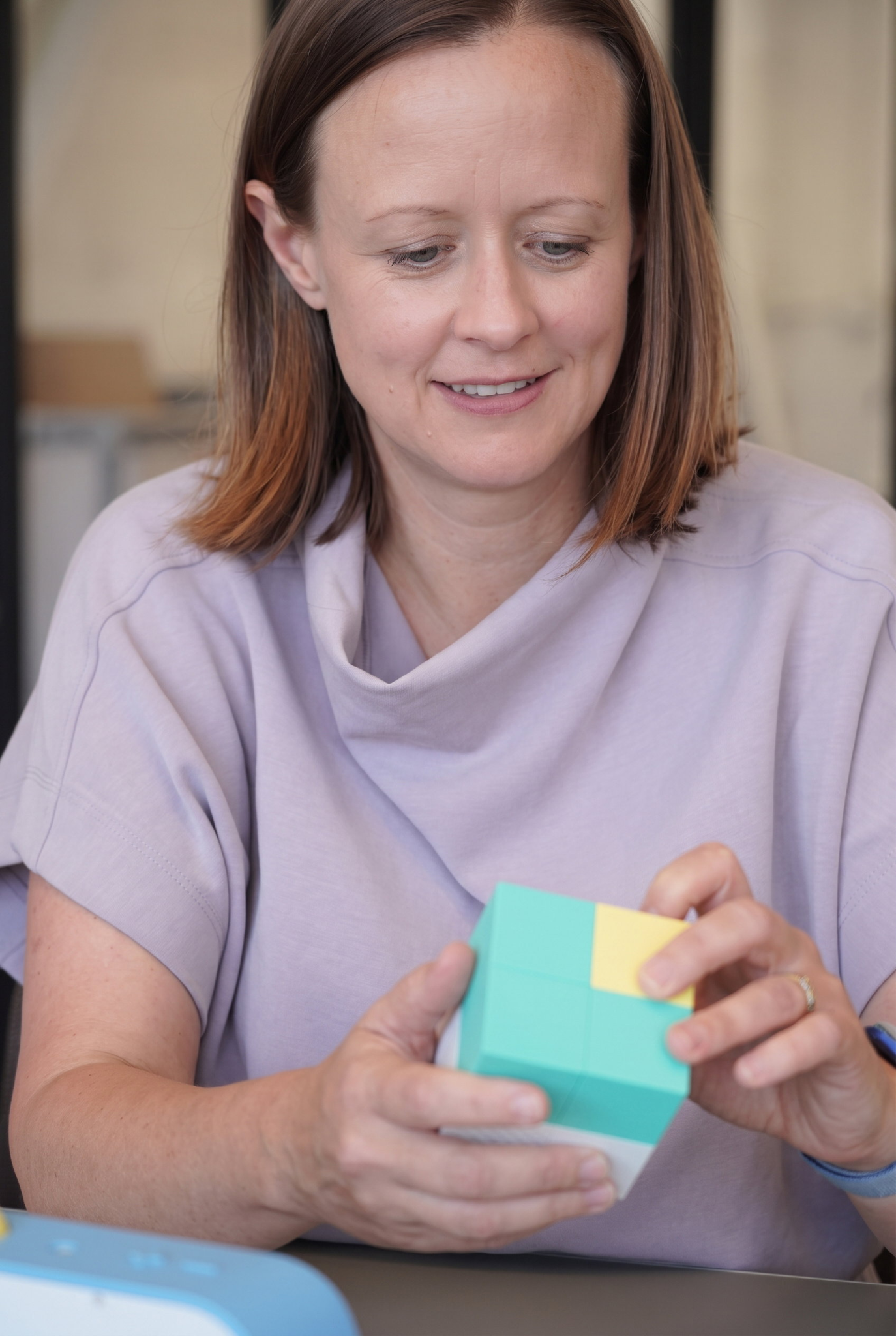
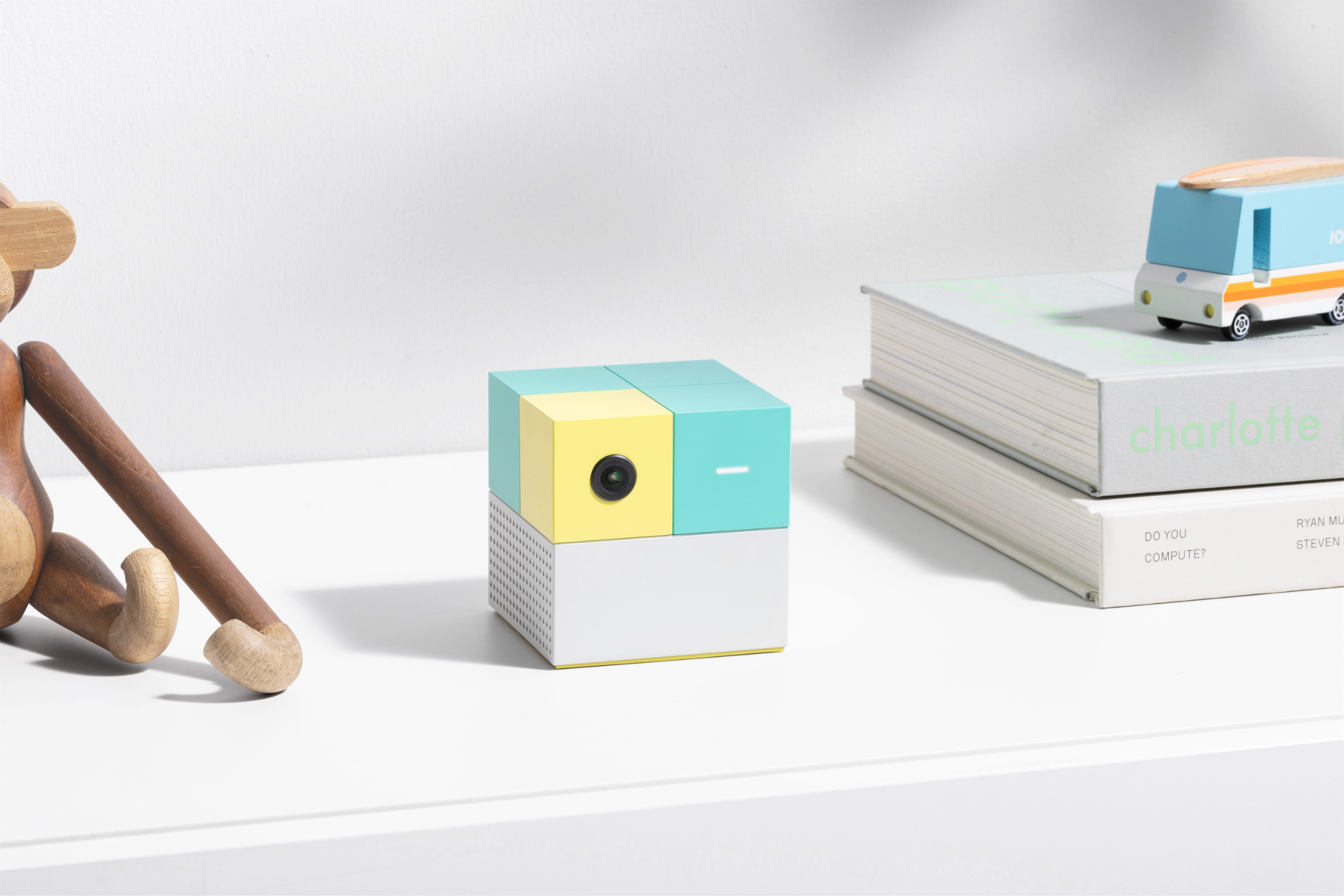
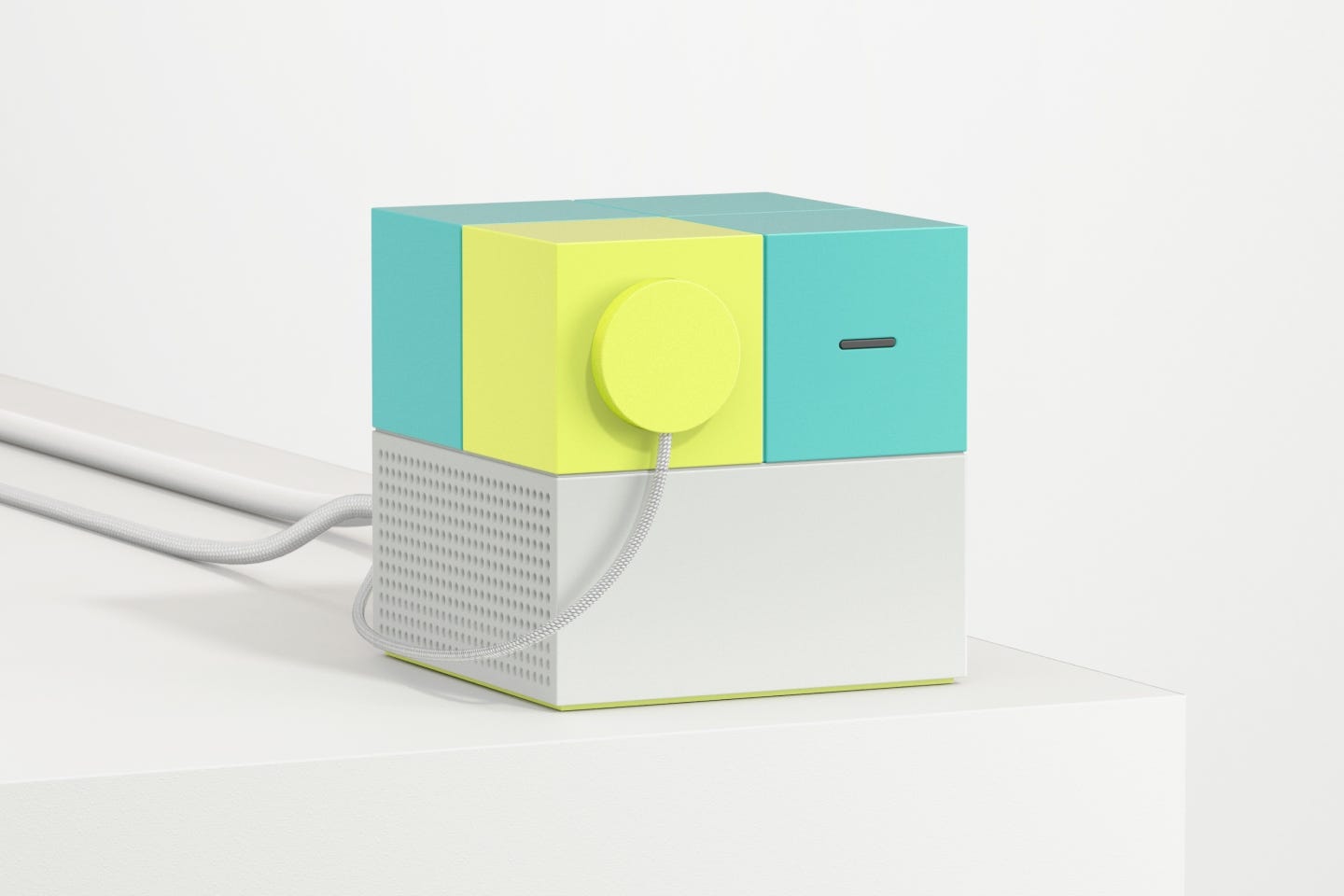
There’s also the matter of the camera. It’s a big ask for a family to let an unknown device watch their kids, and Nichole mentions being wary of the new slate of companies working to install unrestricted recording devices in the home. For Nex, level devised a solution that playfully communicates trustworthiness and control: a monocle-shaped cover that magnetically clips to the camera.
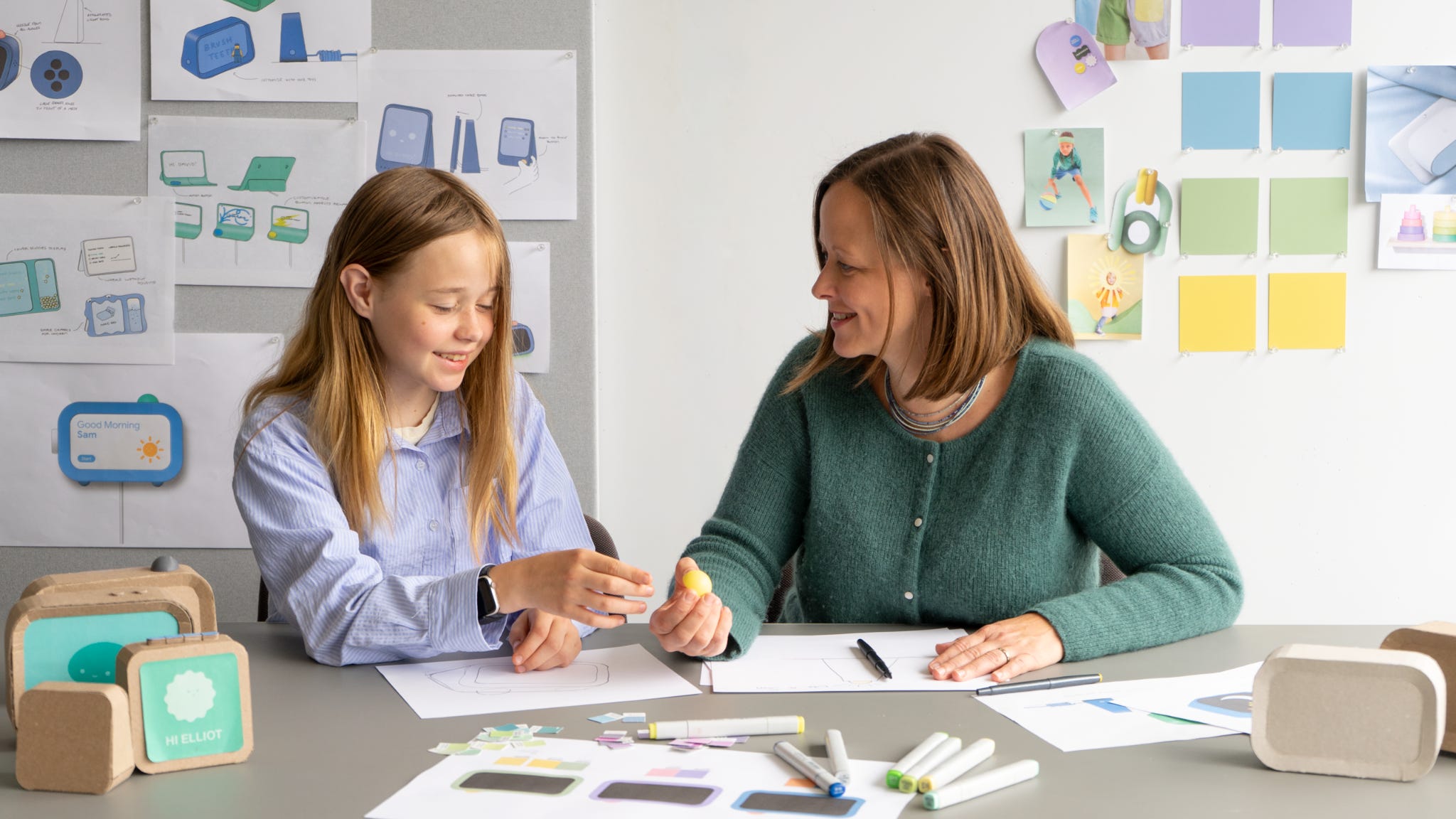
When designing physical experiences for children, Nichole believes that age and developmental abilities must be taken into account. Her team’s work on the Skylight Buddy, a companion device designed to help children of multiple ages build routines and greater independence, demonstrate this approach. Firstly, Nichole advocated for Buddy’s gigantic button. Not only are children naturally drawn to pressing buttons, but a generous physical control is intuitive and accessible for younger users whose fine motor skills are still developing.
But as children grow, she points out, their relationship with objects increasingly becomes a form of self-expression. Nichole cites her older daughter’s backpack, covered in keychains and figurines, and a favorite hoodie customized with heat-press patches. This insight shaped Buddy’s opportunities for personalization, allowing children to make the product their own.
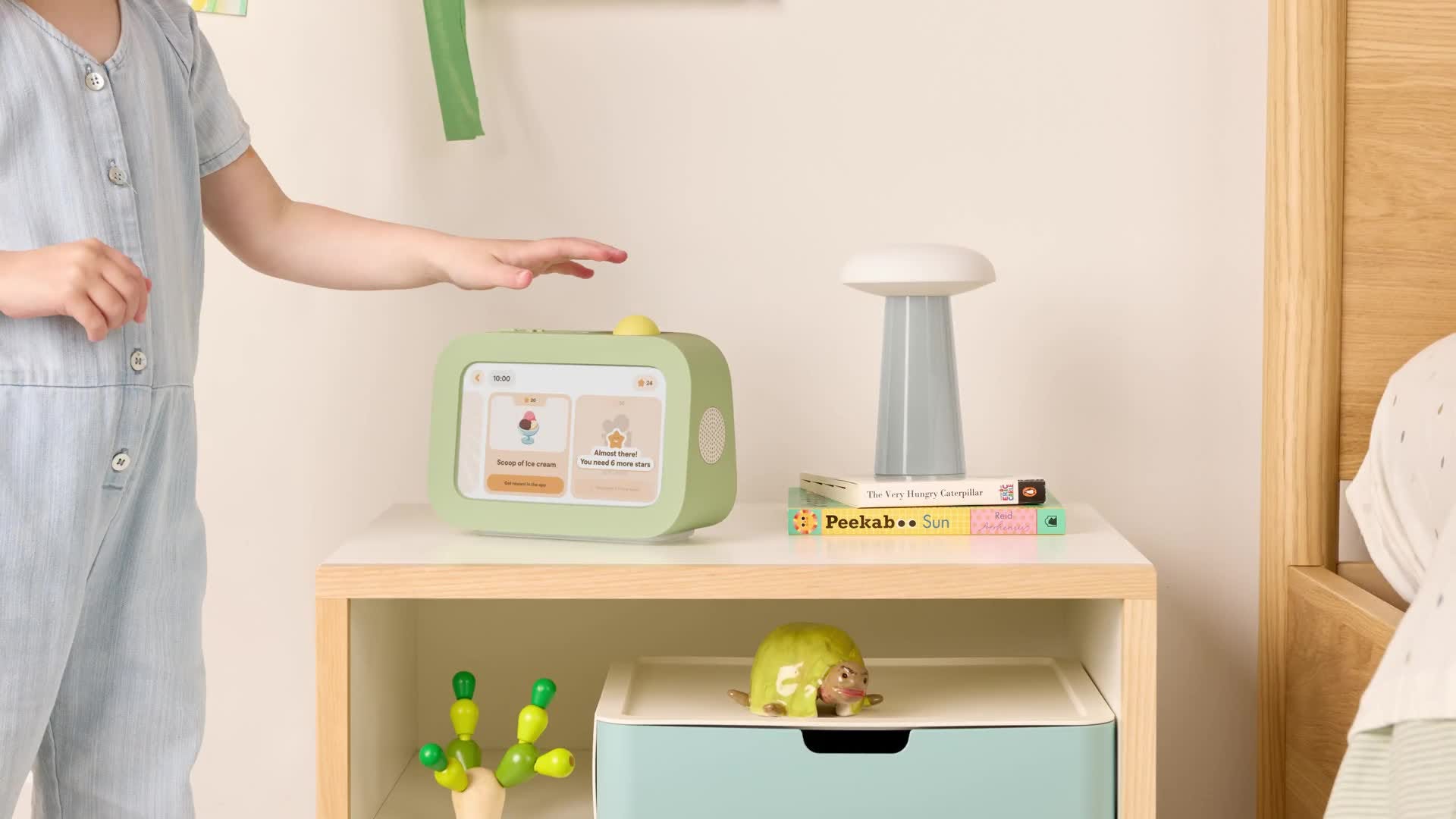
“I think that’s what’s been missing from a lot of tech is the tactile buttons and the physicality. People just love to touch and feel things and fidget with objects. There’s a joy of the sensory that people are deprived of.”
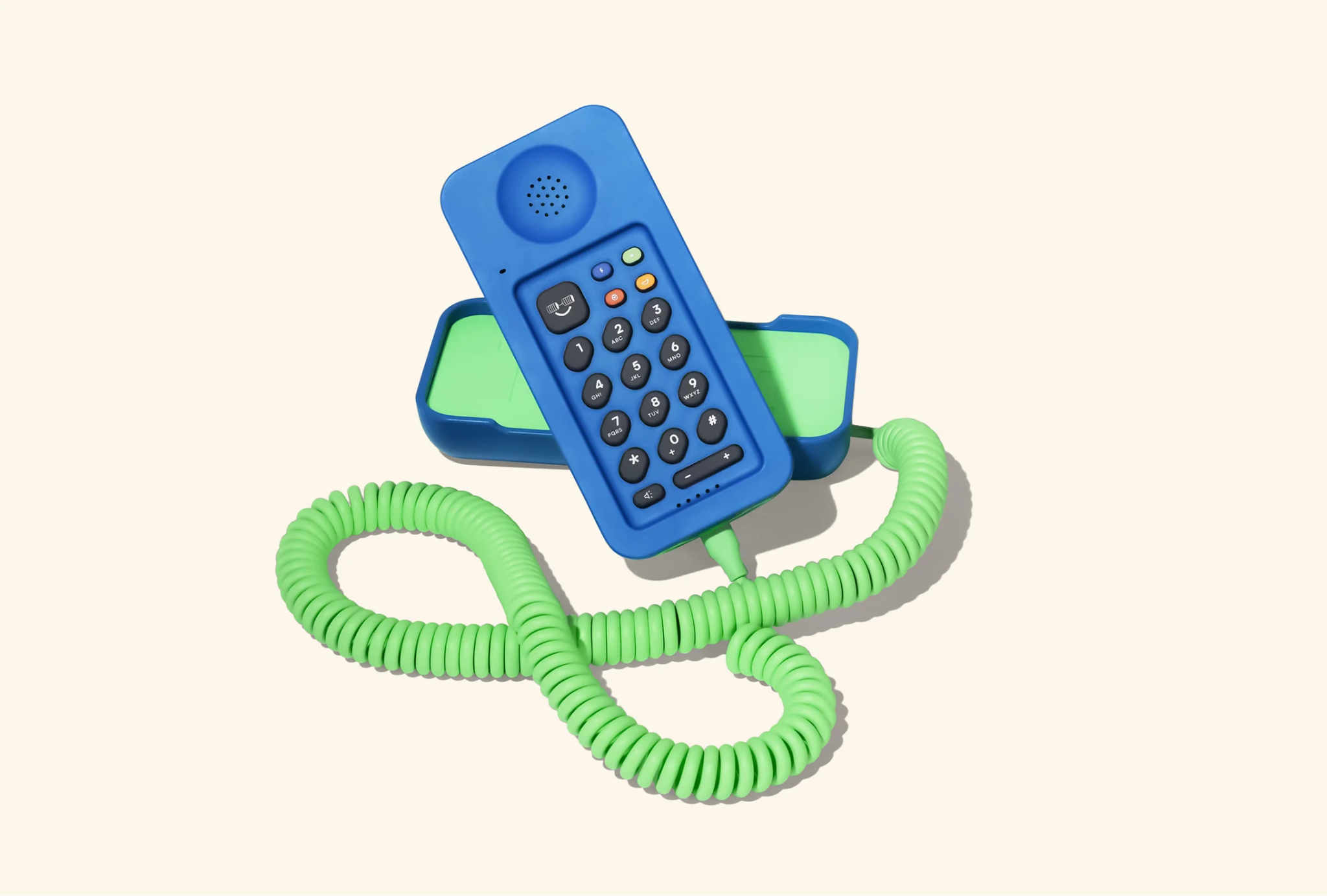
Nichole references a small retro-revival of physical objects beyond Tonies and Yoto, both of which she cites as inspiration. Her sister recently sent her a Tin Can Phone, the landline phone for kids, and she talks about how her daughters recently learned from a record player at Sea Ranch that that music can simply run out. The appeal for the analog, for Nichole, is not nostalgia. There is a desire for responsiveness and hominess in devices that makes adults and kids alike appreciate this new generation of tactile, purposefully simple family technology.
—
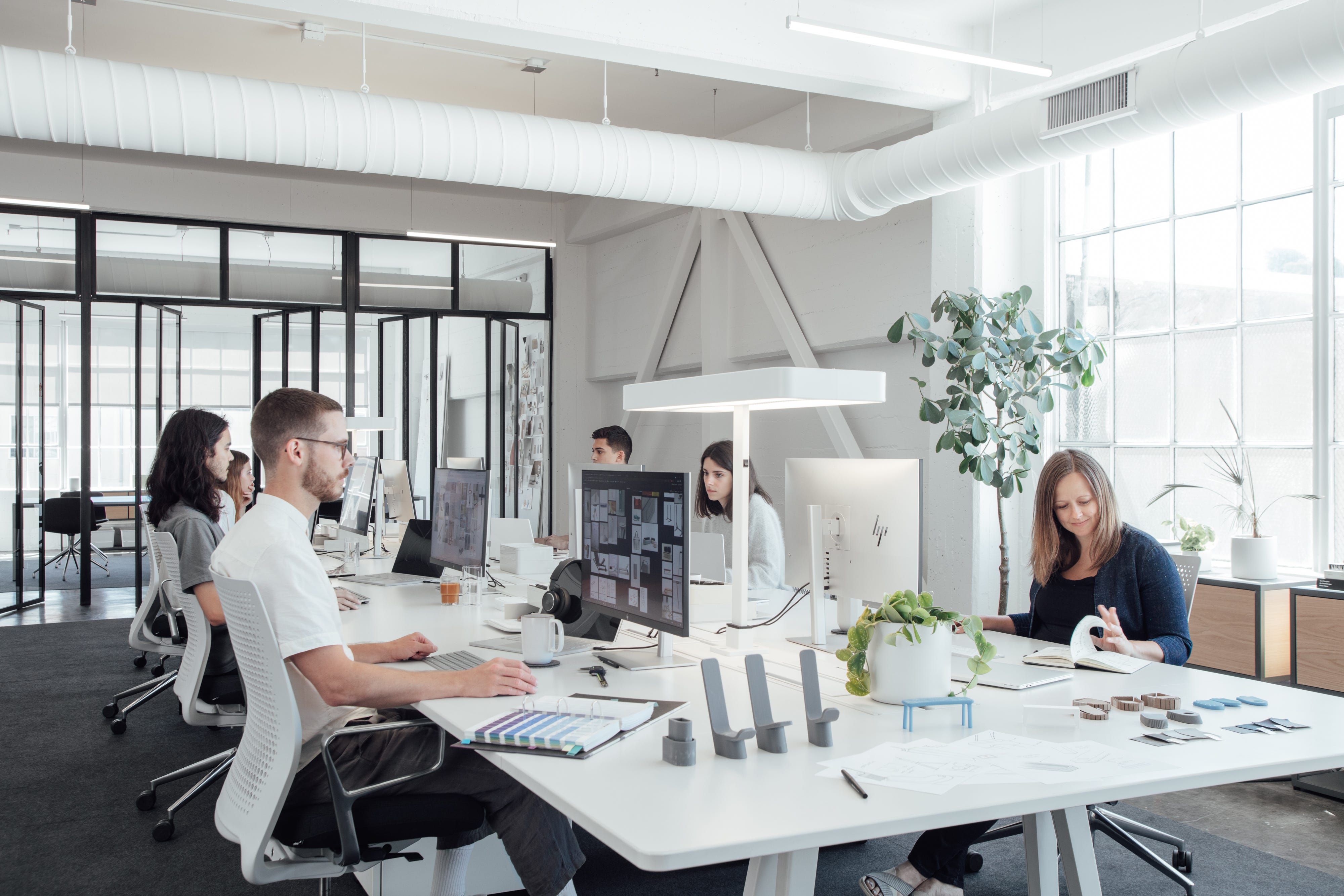
When we ask Nichole how her studio managed to attract this kind of work, she attributes it to the workplace culture she has built. “When I was in my early career, I didn’t know what it was like to leave work earlier than midnight most nights. It was expected that we were working regularly on Saturdays. There were so many nights that I stayed until 2:00, 3:00 o’clock in the morning, just to keep up with the pace of work. I remember asking: how can anybody possibly have a family?”
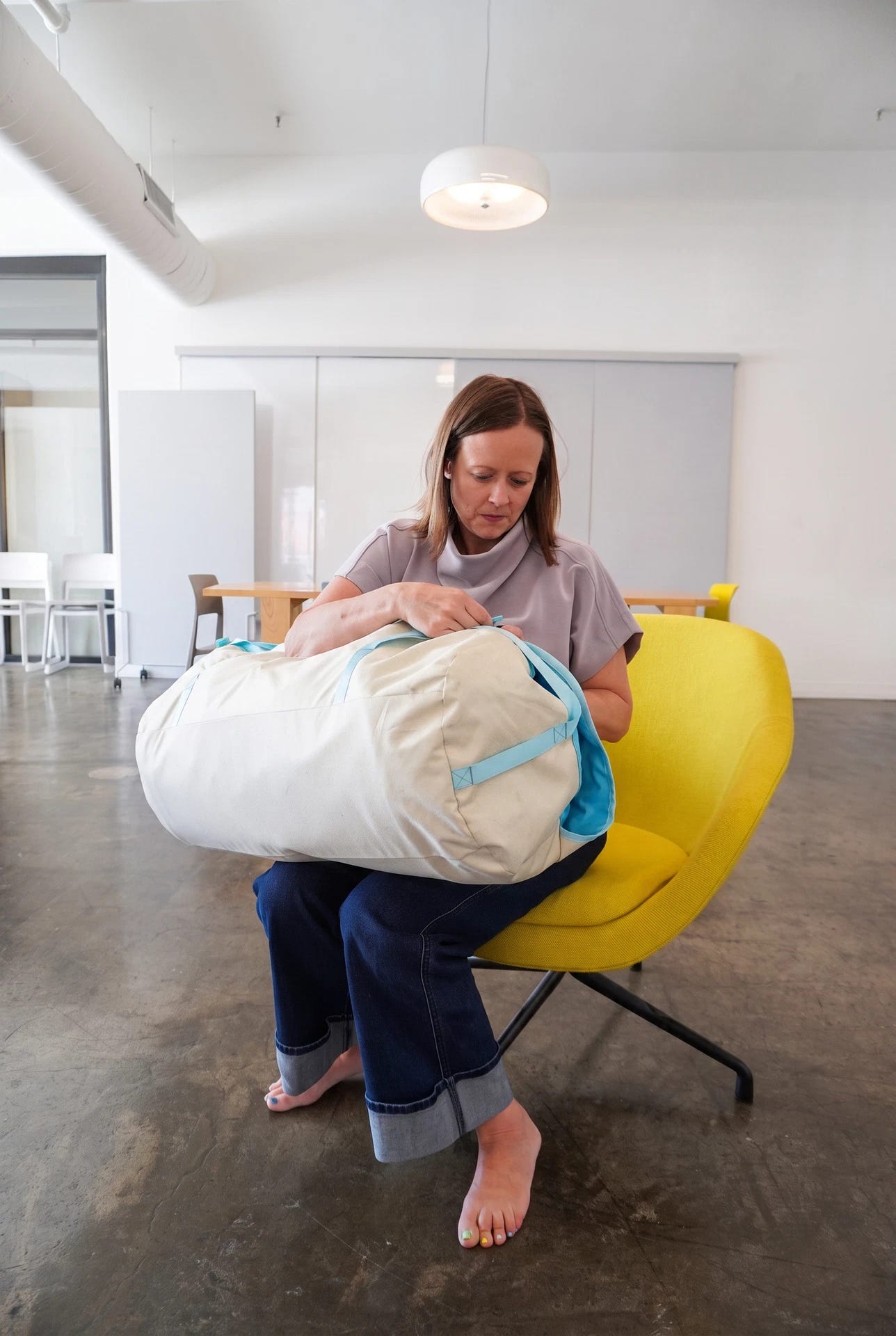
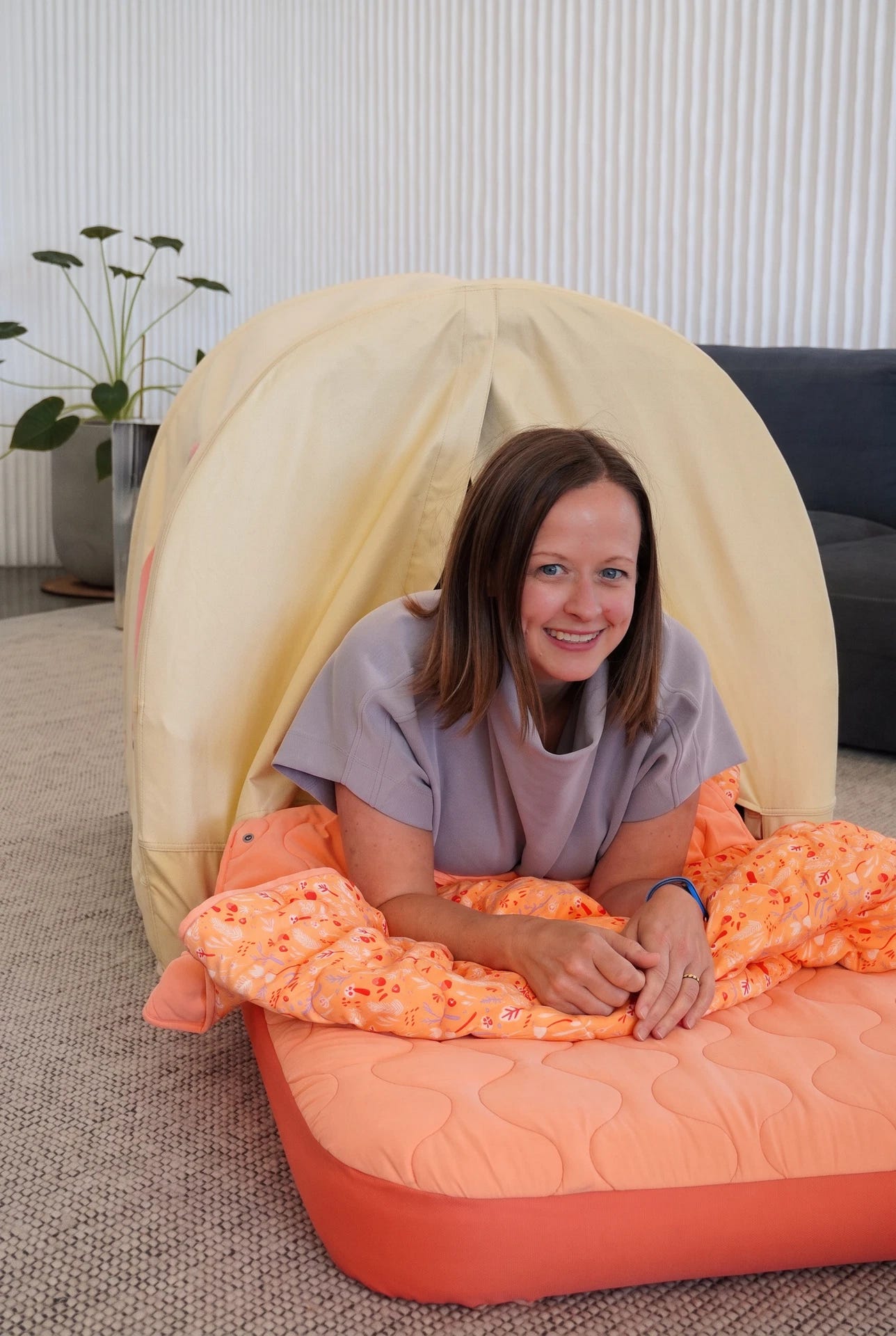
When she started level, Nichole set out to create a more supportive environment, starting by modeling healthy behavior herself. She takes time off to take care of her kids, family, and interests, and expects colleagues to do the same for themselves. level has employees who bike, climb, and high dive. And recently, level matched California’s paternity leave program, providing 100% of a new father’s salary. “You don’t have to make people work until 3:00am every night in order to do good design. And you don’t have to compromise your design in order to spend time with your family.”
It goes the other way around too, with Nichole’s kids frequenting the level studio, making juice with the team, and being a part of photoshoots. Her children have grown up around her work and are welcomed as part of the level team.
—
So what is this home technology designer’s approach to tech in her own home? She insists on the importance of rituals for family togetherness without technology, daily family dinner being one example. But she is also enthusiastic about modeling how to use technology and AI for fun and work. Her daughter makes characters in Midjourney with her father, and together they use professional sketch tool Vizcom to turn sketches into renders. The other day at the studio, daughter and colleagues played together making new Pokémon cards of the family dog with ChatGPT.
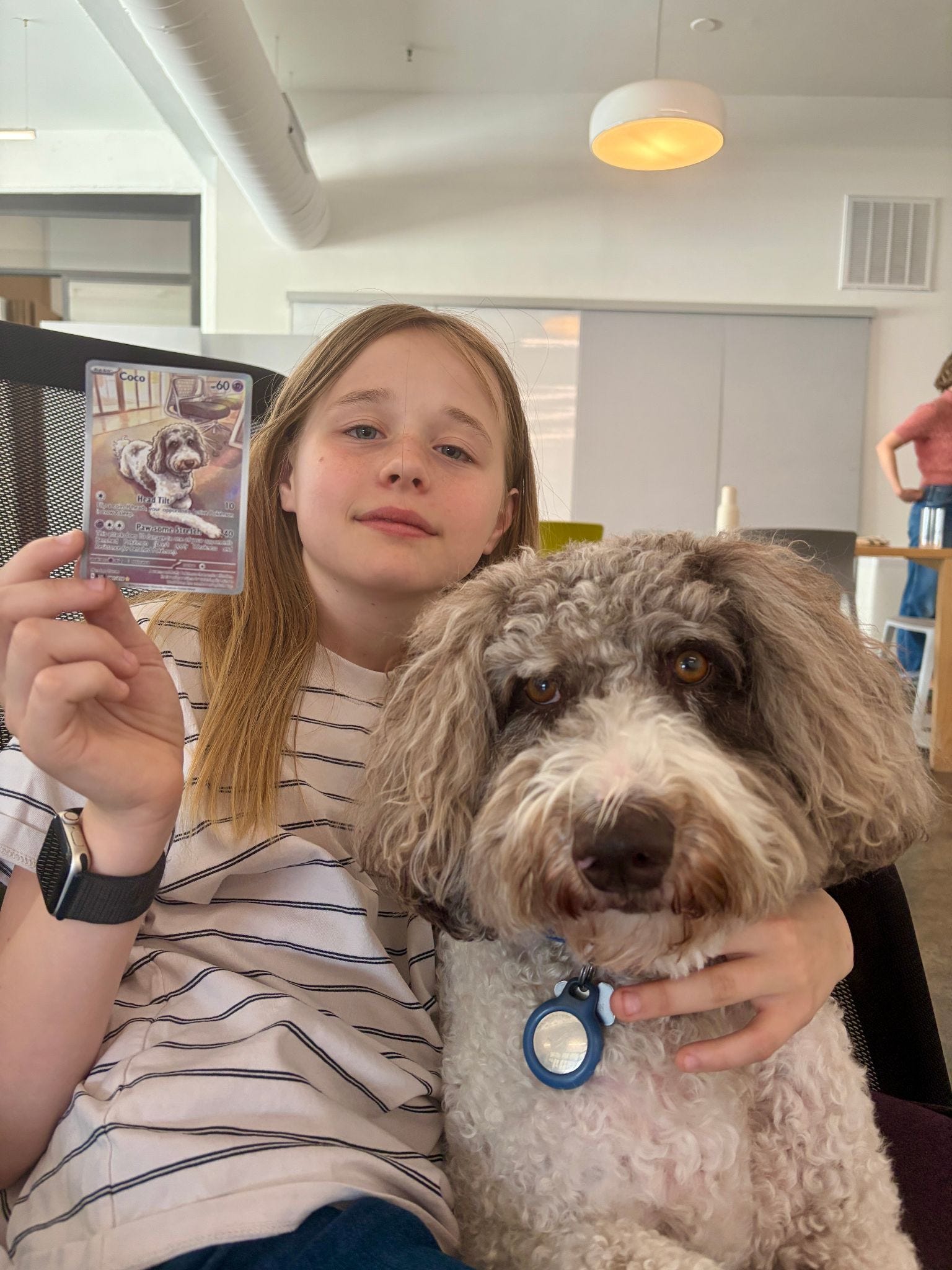
While Nichole has designed lots of smartphones, she has decided her daughters won’t have them anytime soon, citing the research that shows how social media can compromise teenage girls’ mental health. She has, however, given her elder daughter an Apple Watch, which allows her to navigate the city independently. Nichole grew up in the suburbs where she couldn’t go anywhere by bus. With the Apple Watch, her daughter can use maps and GPS to go to the library or museum, call home, and order boba.
“I love the independence that the watch allows her to have, without opening up the trapdoor of endless social media that you would get on a phone. She can call me, use her GPS, get herself around the city. It’s been the tech that’s transformed our family the most.”
In the 90s, home technology meant landline phones and early home computers, devices that were picked up and put down and used with intention. Since then, we’ve experienced a constant encroachment of always-on technology into the home: cameras, listening devices, and the infinite entertainment device that is always in one’s pocket, the smartphone. Almost 20 years since the introduction of the iPhone, many of us have come to realize that we don’t wish our own relationship with tech on our kids.
Nichole is one of our own role models for a balanced life with technology, and we continue to learn from her. She refuses to be a mom in one place and a studio director in another; she merges together the perspectives earned in each of the many spaces she moves through. No doubt it’s the integration of mother, designer, technologist, and founder that enables Nichole to build impactful family-focused technology.
Learn more about Nichole and level: leveldesignsf.com
Bay Area Creative Technology Happenings
Baukunst First Fridays: Strange Loops & Knots | Our First Fridays series is back on September 4th with a solo exhibition by protocol artist Duncan Wilson. Entitled Strange Loops and Knots, the show features large-format computational textiles, drawing inspiration from Afghani war rugs and digital hypercollage. With works designed between 2022 and 2026, this is the first solo exhibition of Duncan’s body of work. Strange Loops and Knots opens on Friday, September 4th at 5pm.

Agentworld | Technology theory group Disintegrator and philosopher of technology Benjamin Bratton are giving a double lecture at Gray Area on Friday, September 11th. They’ll be discussing how the coming world of trillions of agents and fully automated agentic systems will reconfigure society. Register here.
Earthling | Created by Baukunst’s own Tyler Mincey, San Francisco’s favorite experimental outdoor listening event is coming back on September 26th. For those who haven’t been, we assemble at Elk Glen Meadow in Golden Gate Park for an afternoon of ambient / electronic / experimental / label-free musicians performing on a beautiful sound system. This Earthling’s lineup is extraordinary, with L.A. experimental jazz trio Uhlmann Johnson Wilkes, outsider psychedelic pop legend The Space Lady, fantasy synth artist Dream Crease, and SMARTBOMB founder from Oakland, W.A.L.A. Get tickets here.
HTML Day SF | August 8th was global HTML Day, created by everyone’s favorite old-skool webmasters, HTML Energy. HTML designers and artists gathered in over 70 cities around the world to host events. The Bay Area edition, cohosted by artist and engineer Spencer Chang and designer Ivan Zhao, met outside in Golden Gate Park to freewrite HTML and find creative ways to apply HTML as a concept in life.


Baukunst Updates
Kaavio
Our portfolio company Kaavio builds AI powered tools that help technical people buy and sell technical products. They are hiring for two serious engineering roles: a backend engineer and an applied AI person. Kaavio already works with some of the world’s biggest industrial and science distributors, using AI to turn massive catalogues with millions of products into workable data. Kaavio’s founders, Derek and Sam, are two super open-minded and sincere fellows who a have strong perspective on how to build a good company culture. This is a great opportunity to make a meaningful impact at a company that is growing quickly in a huge space.
Recess
Molly Morse and Amy Kiska, cofounders of Recess, were featured in the August issue of Mothered Magazine with a great interview on how they were inspired to start their company. Mothers, longtime collaborators in business, marketplace growth experts, and now cofounders, Molly and Amy are making an impact in an area where parents already struggle: booking and managing after-school care and camps for kids. Recess grew incredibly fast in Austin, and launched this spring in Houston and Dallas. Check out their interview on Page 38 of Mothered.

Loved this, especially the framing of designing technology for children without letting it take over childhood. Products that embody a clear philosophy about how kids should engage with tech feel like the real opening.
!!!! I just messaged Kate about the Starhaven bed and here it is in this article from a month ago!? I should have known. Love what you are doing.